
Business
Pandemic Besieged Small Businesses Struggle to Reopen Across All Major Metros in California, But Vaccine Rollout Brightens Outlook


Small Business Revenues Scorched, Leisure and Hospitality Businesses Hit Hardest; Job Recovery Underway In Urban Centers
The number of ‘open’ small businesses in five of California’s largest metropolitan areas remains far below pre-pandemic levels – and has declined precipitously just since the surge in new COVID-19 cases hit the nation in late 2020, according to a new analysis released today by Beacon Economics.
As of early February, San Francisco has fared the worst with a 50.5% decline in the number of small businesses that are open and operating in the region compared to one year ago. Los Angeles has fared best with 34% fewer open small businesses, followed by San Diego (36.7%), the East Bay (37.2%), and the South Bay (40.3%). With the exception of Los Angeles, all metro regions performed worse than the state or nation as a whole where open small businesses have declined 35.4% and 34.2%, respectively.
In each region, steep drops in the number of open small businesses have occurred just since November when strict, health-mandated closures and restrictions were once again implemented following the largest surge in new COVID cases in the state to date.
“These latest findings underscore just how badly small businesses, and their ability to operate, have been curtailed by the pandemic and the ongoing restrictions on activity,” said Taner Osman, Research Manager at Beacon Economics. “However, with several effective vaccines rolling out in earnest, and with new virus cases falling across the state and nation, the outlook for small business is much brighter for the coming year.”
Osman notes that these data do not suggest that businesses that are not open have closed permanently, but the longer they remain closed, the greater the likelihood of that occurring. “How this ultimately plays out for individual businesses will depend on whether they have the resources to sustain themselves until things open up widely and permanently again,” said Osman. “The good news is that a sustained reopening is drawing closer and while we may not completely return to trend this year, the economy is on the path to full recovery, bringing small business with it.”
Revenues at small businesses have also been hammered, in many cases falling by close to or more than three-quarters compared to pre-pandemic levels. Key small business findings by region include:
- San Francisco Metro (SF and San Mateo Counties): Like elsewhere, San Francisco’s Leisure and Hospitality small businesses have suffered the most from pandemic-related restrictions. Regionally, there has been a 66.7% drop in the number of open small businesses in this industry compared to pre-COVID levels. Moreover, revenues at these businesses have taken a staggering 83.4% tumble. No other industry in San Francisco has come close to this level of revenue loss.
- Los Angeles Metro (Los Angeles-Long Beach-Glendale MD): While the data is brighter than in San Francisco, the number of open Leisure and Hospitality small businesses in Los Angeles has plummeted roughly 50% compared to pre-pandemic levels. This is approximately the same as in California as a whole. The loss of revenue at small Leisure and Hospitality businesses in Los Angeles stands at 68%, not as severe as the losses in San Francisco but still highly indicative of the harsh circumstances facing this industry.
- San Diego Metro (San Diego County): San Diego’s Leisure and Hospitality small businesses also stand out as the most severely affected by the pandemic. The number of open small businesses in this beleaguered industry has fallen 47.7% compared to pre-COVID levels. This is a better outcome than in the state or nation as a whole, reflecting the relative strength of the region’s economy at the outset of the crisis. Although acute, at 66.2%, there has also been less revenue loss among San Diego’s Leisure and Hospitality businesses than in any other metro.
- South Bay (Santa Clara and San Benito Counties): Unlike every other metro, in the South Bay, small businesses in the Transportation sector have fared the worst with 47.7% fewer open compared to pre-pandemic levels. Leisure and Hospitality small businesses are not far behind, however, with 45.8% fewer open. Revenues among the latter have also been hit the hardest, by far. As of February 2021, Leisure and Hospitality small businesses in the South Bay have suffered a 72.7% drop in revenue.
- East Bay (Alameda and Contra Costa Counties): In the East Bay, Leisure and Hospitality small businesses have experienced the most severe impacts with a 59.4% drop in the number of open businesses compared to pre-pandemic levels. Only San Francisco has experienced a steeper decline. Accordingly, revenues have fallen 72% at East Bay small businesses in this industry. No other sector in the region comes close to this level of revenue loss.
The new analysis also finds that employment gains are occurring across all the state’s major metros, but each still has significantly fewer jobs compared to pre-pandemic levels – ranging from 7.3% fewer jobs in the South Bay to 10.4% fewer jobs in San Francisco. Unemployment has continued to fall across all metro areas of the state.
View the full Regional Outlooks for the East Bay, Los Angeles, San Diego, San Francisco, and the South Bay here:









Deal with Ontario Tower Buzzers and Rancho Cucamonga Quakes strengthens community engagement and fan experience
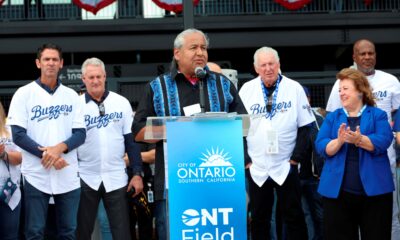
The Morongo Casino Resort Spa, the Ontario Tower Buzzers and the Rancho Cucamonga Quakes have announced a new partnership by which Morongo is now the presenting sponsor of the Tower Buzzers and the official field naming sponsor at the Quakes’ Epicenter Stadium.
Under the multi-year agreement, Morongo is now the “presenting sponsor of the Ontario Tower Buzzers,” the new Minor League affiliate of the 2025 World Series Champion Los Angeles Dodgers. Additionally, the home of the Quakes has been renamed the “Morongo Field at the Epicenter” strengthening Morongo’s connection to sports fans across the Inland Empire.
The innovative collaboration marks a fresh advancement in the Morongo Casino’s ongoing investment in entertainment and recreation in the Inland Empire.
“Baseball is America’s pastime because of its power to bring people together,” said Morongo Tribal Chairman Charles Martin. “We are thrilled to join with the Ontario Tower Buzzers and the Rancho Cucamonga Quakes to celebrate this tradition while creating new opportunities for families across the Inland Empire to enjoy the excitement of the game.”
“At Morongo Casino Resort Spa, our brand is built on delivering exceptional guest experiences centered on entertainment, excitement, and memorable moments,” said Mike Bean, Chief Executive Officer of Morongo Casino Resort & Spa. “Partnering with the Ontario Tower Buzzers and the Rancho Cucamonga Quakes reflects that same commitment as our three organizations work to create energy, community pride, and unforgettable experiences for fans.”
“This partnership is a great example of what makes Minor League Baseball so special — bringing together strong community partners, great organizations, and unforgettable fan experiences,” said Diamond Baseball Holdings West Region Vice President Ben Taylor. “Morongo’s commitment to entertainment and community aligns perfectly with our vision for both the Ontario Tower Buzzers and the Rancho Cucamonga Quakes. We’re excited to see this collaboration elevate the experience for fans across the Inland Empire.”
The partnership debuted during a pair of special events celebrating the start of the 2026 season.
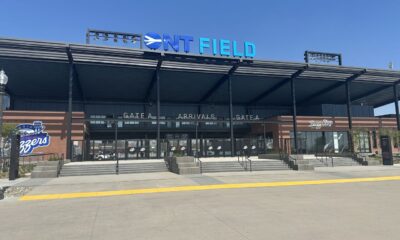
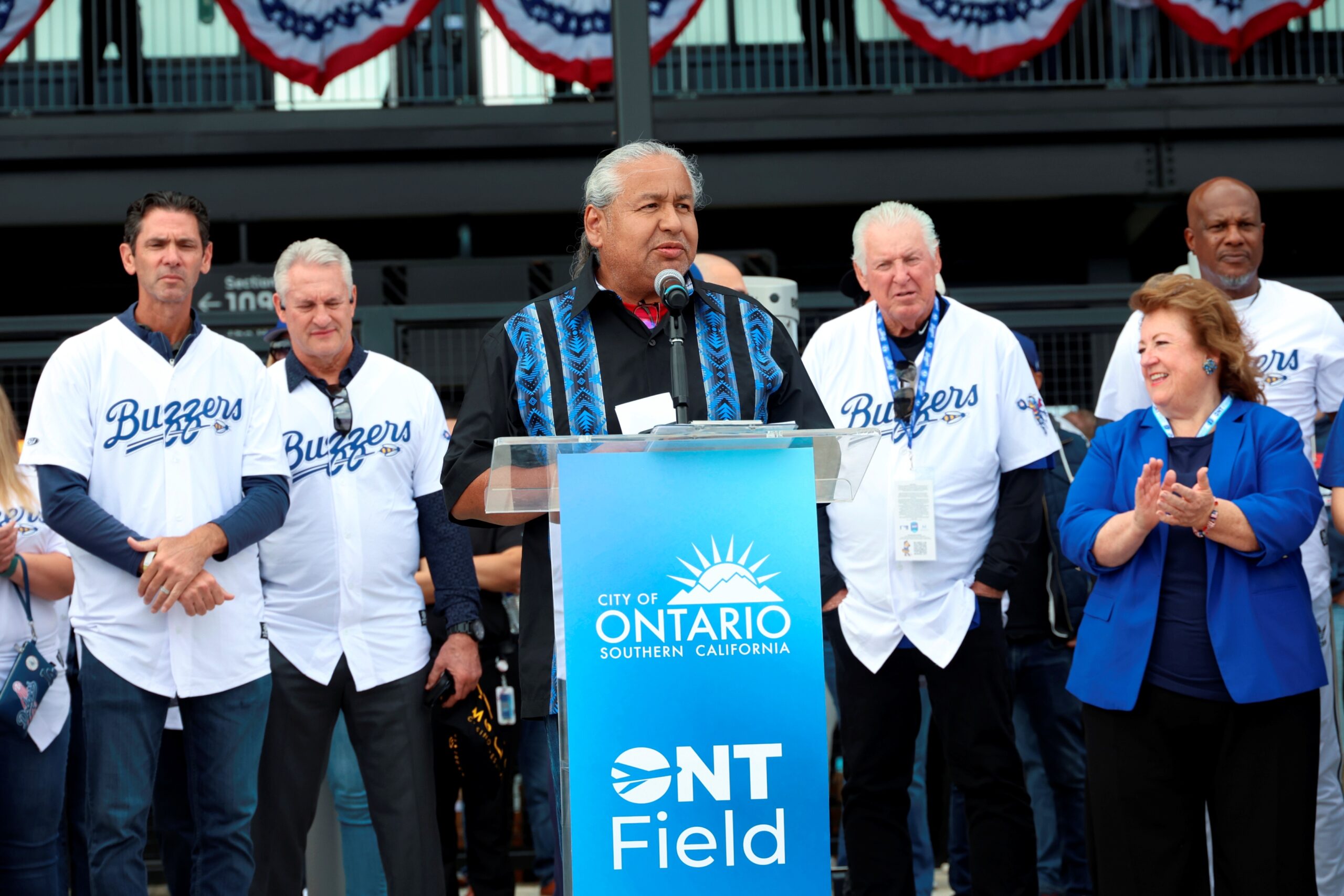
- On April 2, Morongo joined the Ontario Tower Buzzers for the ribbon-cutting ceremony for the beautiful new ONT Field, which was followed by the ball club’s first-ever season opener before a sold-out crowd as the team took flight on its inaugural season.
- On April 3, fans enjoyed Morongo Diamond Nights where the Rancho Cucamonga Quakes unveiled Morongo Field at the Epicenter during a special game-day celebration.
The Ontario Tower Buzzers brand reflects the city’s proud aviation heritage and its close connection to Ontario International Airport. The team’s name and their mascot, Maverick, evoke the adrenaline and daring of aviation’s most thrilling flybys while celebrating the airport control tower that has guided thousands of flights into Ontario. Inspired by that spirit of precision and innovation, the team’s name captures the city’s can-do attitude.
Launched in 1993, the Rancho Cucamonga Quakes have been one of Minor League Baseball’s most beloved franchises, building a loyal fan base and a reputation for family-friendly entertainment at the Epicenter. As the Minor League affiliate of the Los Angeles Angels, the club has earned three California League championships (1994, 2015 and 2018) while creating lasting memories for local baseball fans. The newly named Morongo Field at the Epicenter marks an exciting new chapter for the ballpark and the community that has supported Quakes baseball for decades.
Business
Unisource Solutions Grows Its Inland Empire Presence with the Addition of TOTALPLAN Business Interiors
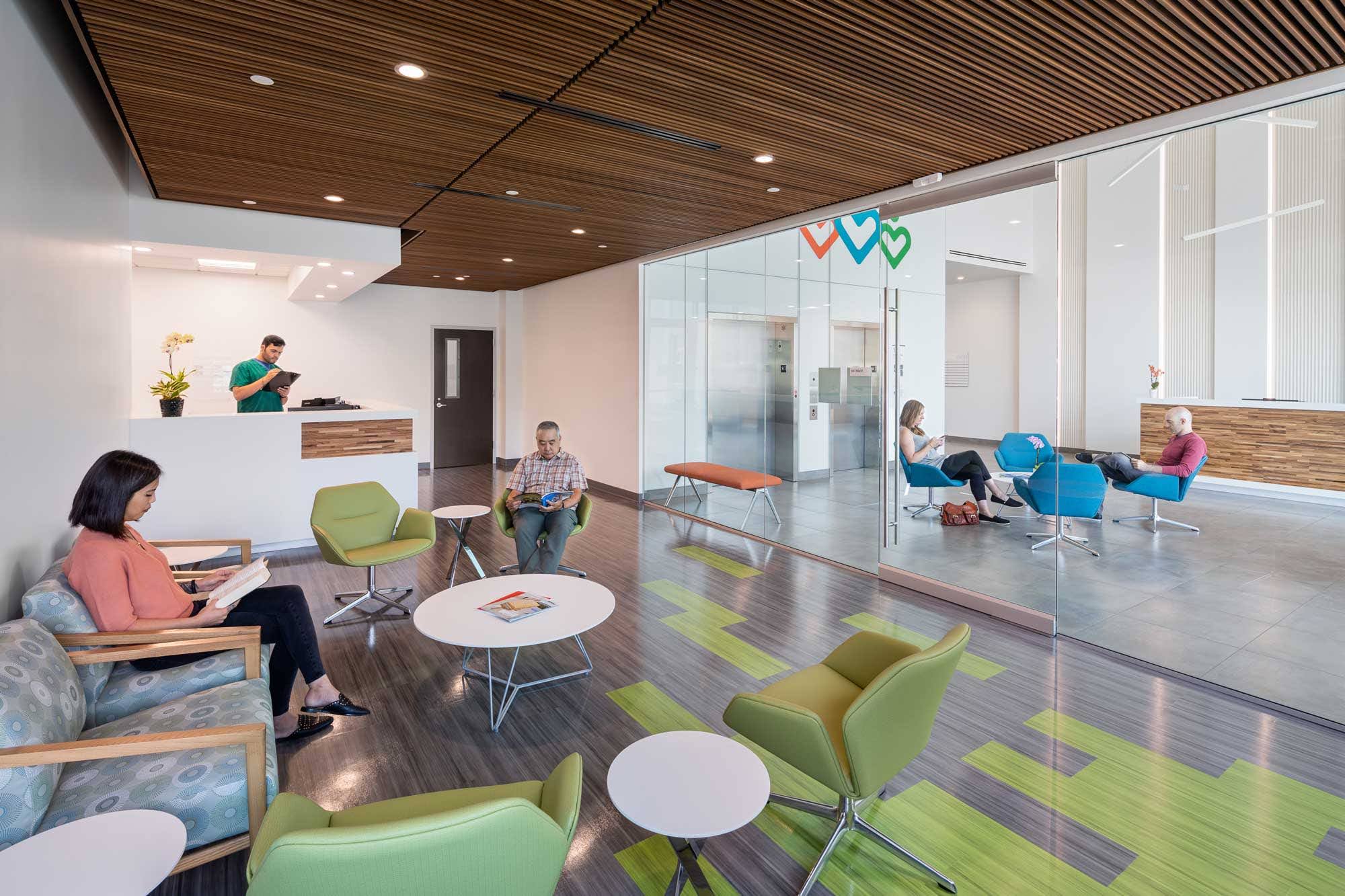
Southern California’s leading workplace design and furnishings resource deepens its regional presence by uniting with a 57-year Inland Empire institution.
Unisource Solutions, California’s Haworth Best in Class dealership and a comprehensive workplace design resource, has announced the acquisition of TOTALPLAN a fixture of the Inland Empire business community since 1969. The strategic partnership brings together two organizations with a combined heritage of more than 80 years of expertise, unifying their complementary strengths to better serve businesses, architects, and interior designers across the Inland Empire.
Founded in 1987, Unisource Solutions has built its reputation as far more than a furniture dealer. The company operates as a full-service design resource — offering space planning, workplace strategy and analytics, installation services, project management, and custom furnishings through its in-house brand, Platform by Unisource Solutions. With access to more than 300 manufacturers, Unisource serves clients across corporate, healthcare, higher education, and financial sectors.

TOTALPLAN has spent more than five decades cultivating trusted relationships with businesses of all sizes throughout the Inland. Under the leadership of owner Denny Fosdick, TOTALPLAN earned a reputation for quality service, community investment, and a deep understanding of the regional market.
“For over 57 years, TOTALPLAN has been dedicated to providing exceptional workspace solutions throughout the Inland Empire and beyond. Now, we’re excited to join forces with Unisource Solutions. This partnership brings together our deep community roots with Unisource’s extensive resources and capabilities. I’m proud to pass the torch to a fellow Inland Empire resident who understands this community and will carry on the legacy we’ve built here.” —Denny Fosdick, Owner, TOTALPLAN Business Interiors
Jamal Nasserdeen, President of Unisource Solutions, who grew up in the Inland Empire, expressed the personal significance of the acquisition and its implications for Unisource’s long-term growth strategy in the region.
“Growing up and living in the Inland Empire, it’s a true honor to build on the tremendous 57-year legacy that Denny and his team have established. This partnership marks a pivotal moment in our growth journey, significantly expanding our capabilities throughout the region and strengthening our position as Southern California’s premier workplace solutions provider. It’s a privilege to bring TOTALPLAN into the Unisource Solutions family.” — Jamal Nasserdeen, President, Unisource Solutions
The partnership also carries the endorsement of Haworth, the globally recognized furniture manufacturer for which Unisource holds its Best-in-Class dealer designation. Tom Peyton, Haworth’s Regional Vice President for the West Region, noted that the partnership reinforces the strength of Unisource’s regional coverage and honors the trusted relationships TOTALPLAN has spent decades building.
The combined organization now brings a unified offering across workplace design, multi brand furniture sourcing, custom fabrication through Platform by Unisource Solutions, and comprehensive facilities services including delivery, installation, reconfiguration, and relocation support. Clients across architecture, interior design, and corporate facilities teams will benefit from a single, deeply resourced partner capable of supporting projects from initial concept through move-in.
For businesses in the Inland Empire seeking to transform their workspaces, the new partnership signals expanded local access to a nationally capable team, one that is deeply invested in the communities it serves.
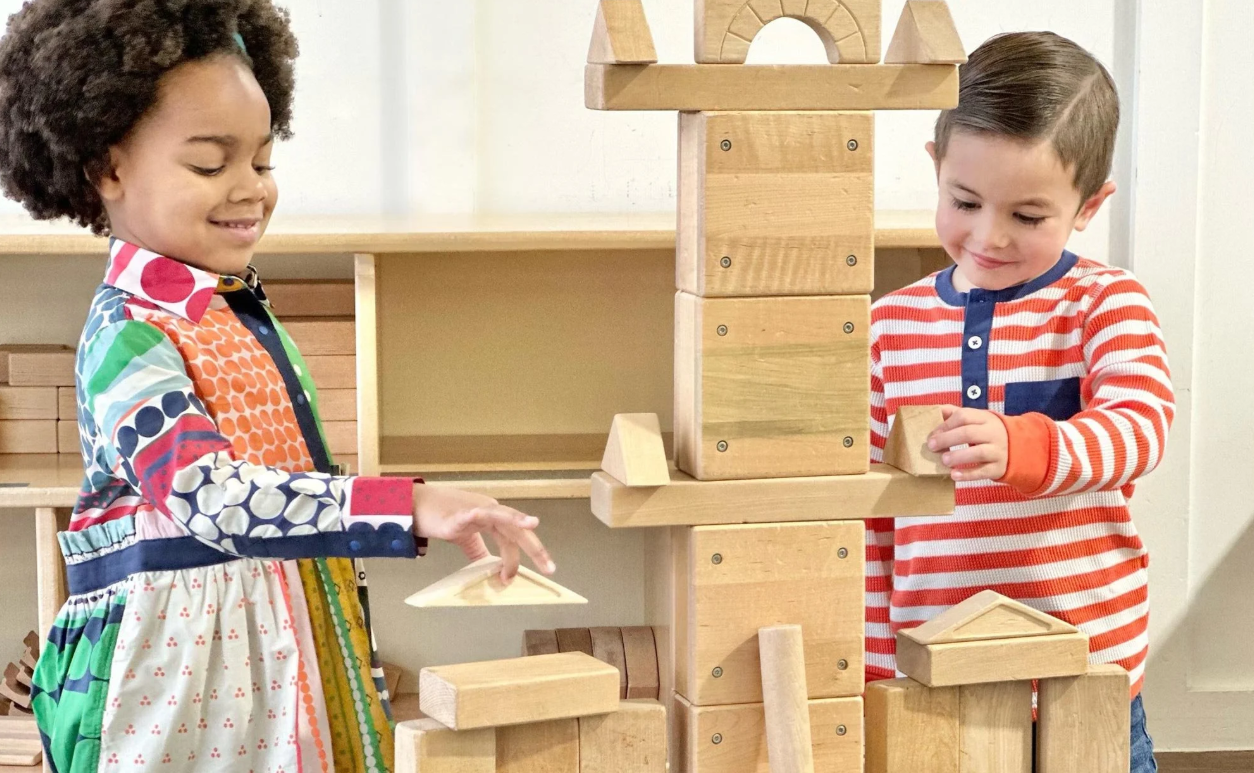
A children’s museum and indoor play area that lets imaginations wander open soon to local community
Play Street Museum, an interactive children’s museum and indoor play area purposefully designed to encourage a young child’s sense of independence, exploration, and creativity, will be opening its newest franchise location in the coming weeks in Ontario, California. Locally owned by Teresa and Sergio Carreras, the coming location marks a key milestone in an expanding franchise program, with its first location in California.
“We’re thrilled to bring the newest Play Street Museum to Ontario for our local community to enjoy,” shared Teresa and Sergio Carreras. “After visiting Play Street Museum with our grandchildren, we knew we had to bring a location to California, and we’re excited to share it with the community and hope it serves Inland Empire families in big ways.”
“We’re proud empty nesters and even prouder grandparents of five wonderful grandchildren. Becoming grandparents has been one of the greatest joys of our lives. This season of life has given us the opportunity to slow down and truly savor the wonder of childhood again,” continued Carreras. “We look forward to welcoming local families, schools, and community groups to experience everything the new Play Street Museum has to offer.”
Teresa and Sergio Carreras believe children learn best when they’re having fun and can touch, build, pretend, and explore. Every exhibit at Play Street Museum Ontario is designed to spark curiosity, creativity and confidence. Whether children are running a pretend grocery store, experimenting with simple science, creating art, or climbing into imaginative worlds, children are learning skills that will stay with them for a lifetime. “This space is not just for kids. It’s for grandparents who cherish story time in a cozy corner. For parents who light up watching their child try something new. For caregivers who treasure the laughter and togetherness of play,” shared Carreras.
Play Street Museum offers an expansive, rotating curriculum at each location specifically designed for children under nine years of age. Everyday and every week is different at Play Street Museum, providing motivation and justification
for a scheduled time in families’ busy calendars. Play Street Museum Ontario also offers one-of-a-kind birthday parties, complete with comprehensive themes and options for parents from “Do-It-Yourself” to “Sit Back & Relax”, in addition to special events and activities during evenings and weekends.
In Scientific American’s article, “The Need for Pretend Play in Child Development”, Yale professor Dr. Scott Barry Kaufman summarized the last 75 years of research by declaring imaginative play as a “vital component to the normal development of a child.” By narrowing the focus of Play Street Museum and its indoor play areas to the interests and imaginations of children eight and under, young explorers discover educational exhibits and activities in a world specifically crafted just for them. The deliberate and manageable scale enables children to self-navigate throughout the children’s museum and indoor play area to engage deeply in activities about which they are most interested and passionate. This freedom reinforces independence in the child and also has the benefit of creating a more relaxed and accommodating museum experience for the caregiver.
“Play Street Museum is thrilled to welcome and open the Ontario location soon with our incredible partners, Teresa and Sergio Carreras. As parents and grandparents, they understand the powerful impact of play and intentionally sought to bring its benefits to this part of the Ontario area. They’ve taken their passion for children, education, and play and applied it to building a dynamic, local business that will support the health and well-being of their own community,” commented Play Street Museum Founder and CEO, Courtney Muccio.
Located at 910 North Haven Avenue, Suite 150, the new Ontario location makes the extensive, and well researched benefits of play easily accessible to the local community. The museum’s team of highly knowledgeable associates can provide guidance on additional opportunities to expand the play and learning, either on site or at home, from corresponding activity kits, to pottery, to slime kits, to sensory kits. Customers can also book their play time in advance in addition to schedule birthday parties or private events.
Families and customers can visit
https://www.ontario.playstreetmuseum.com/ to book playtime, birthday parties, field trips, and to check out special events.
|
Business Journal Newsletter
|


-
 Bizz Buzz4 months ago
Regency Centers Unveils Oak Valley Village: A New Retail Hub Coming to Beaumont, CA
-

 Technology6 months ago
LA Tech Week Highlights Southern California’s Expanding Tech Ecosystem
-

 Entertainment5 months ago
ROI: Return on Insanity—Lucha VaVoom’s High-Yield Investment in the Pomona Arts Colony
-

 Transportation4 months ago
Regional Leaders Launch “Coalition for Our Future” to Advance Urgent Safety Solutions for I-15 Corridor
-

 Travel & Tourism4 months ago
Fly Ontario, Calif., to Honolulu aboard Southwest Airlines starting in June
-
 Business4 months ago
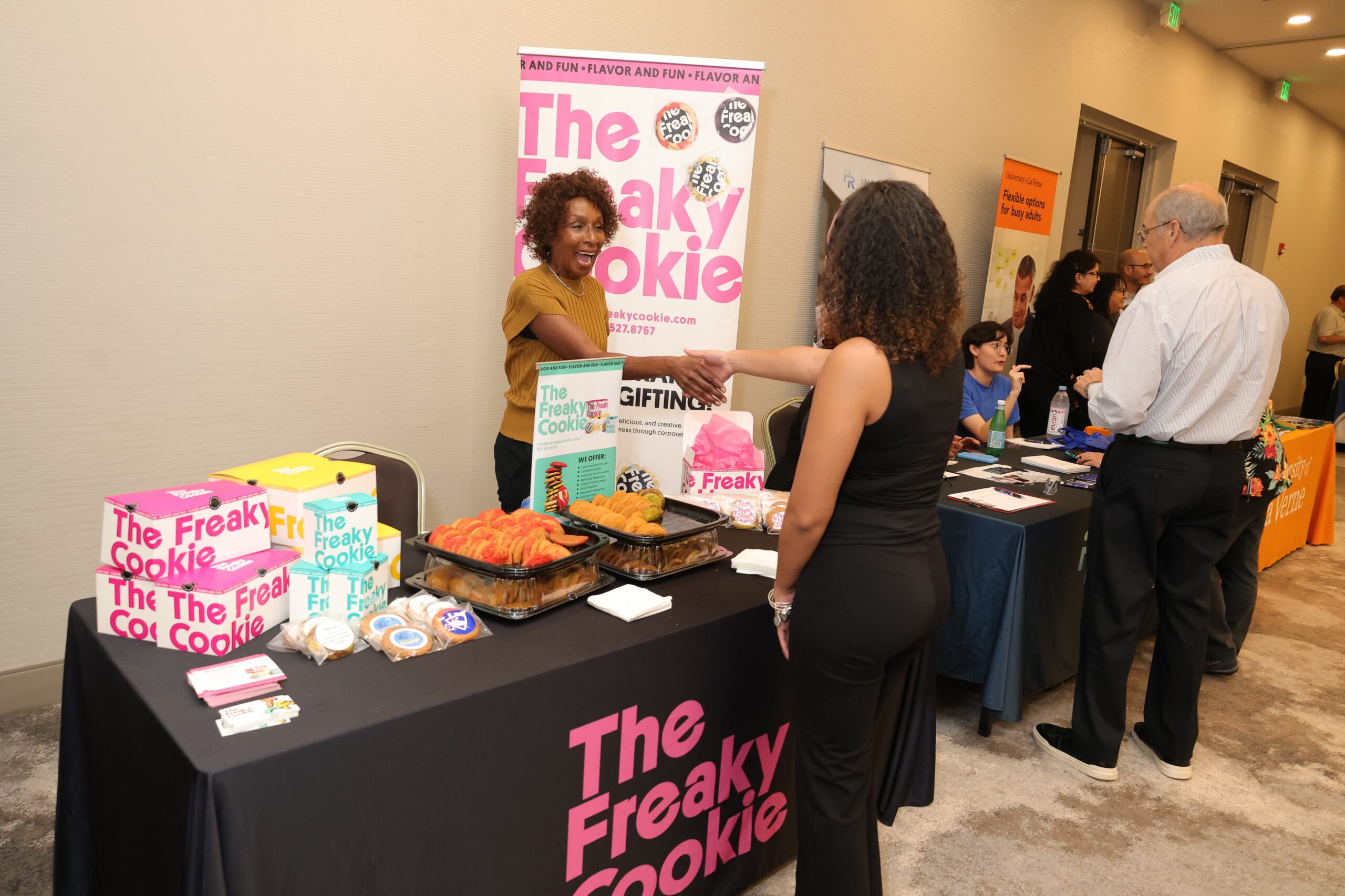
Sweet Success: The Inland Empire Regional Chamber of Commerce Teams with The Freaky Cookie to Elevate Local WBENC-Certified Business